Buying Country Property Near Sebastopol: What To Know
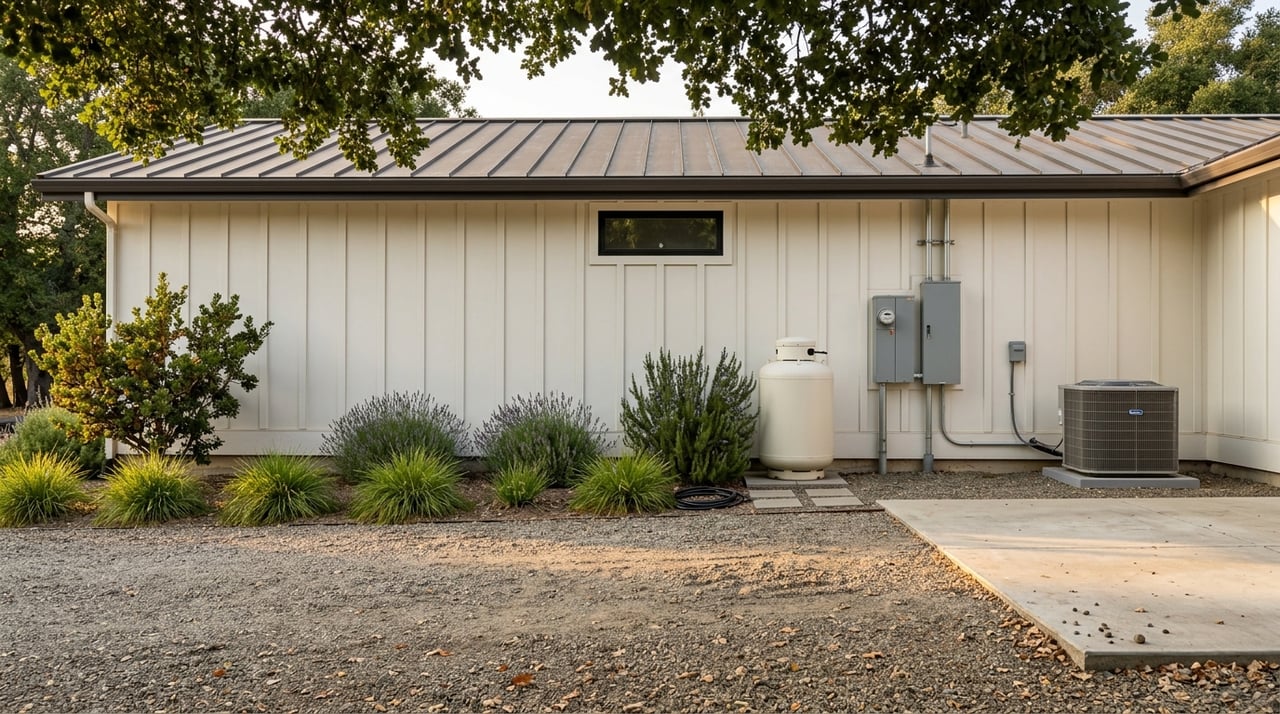
If you are dreaming about a little more space, a few trees, maybe a barn or garden, country property near Sebastopol can feel like the best of Sonoma County living. It can also come with a very different checklist than buying in a typical neighborhood. The key is knowing what to verify before you fall in love with the setting, so you can buy with confidence and plan for the future. Let’s dive in.
One of the first things to understand is that a Sebastopol mailing address does not always mean the property falls under Sebastopol city rules. The City of Sebastopol states that its jurisdiction ends at the city-limit boundary, and many nearby country parcels are actually in unincorporated Sonoma County.
That matters because the rules, permits, and review processes for access, grading, wells, septic systems, and future improvements may be handled by Sonoma County rather than the city. In other words, rural buying is often less about the house alone and more about the land, the systems, and how the site functions.
The countryside around Sebastopol includes vineyards, apple orchards, redwoods, and streams. That variety is part of the appeal, but it also means one parcel can be very different from the next. Two homes just a short drive apart may have very different access, drainage, water, or improvement potential.
Before you get too far into the process, confirm whether the property is inside Sebastopol city limits or in unincorporated Sonoma County. This is a simple question, but it affects a long list of practical issues, from zoning review to permit pathways.
Permit Sonoma also notes that buyers can search permit history and confirm whether a property is in county or city jurisdiction. That record review can help you understand whether past work was permitted and what future projects may require.
This step is especially important if you are buying with plans to add an ADU, expand the home, rework the driveway, improve drainage, or build an outbuilding. Rural properties often reward long-term vision, but only when you understand the site and the approval process early.
On country property, access is not just about whether you can drive to the house. You also want to know who maintains the road, whether there are shared access agreements, and whether recorded easements affect the parcel.
Sonoma County maintains a county-road network, and the county requires an encroachment permit for work in the public right-of-way. That can include items like driveway aprons, water lines, sewer lines, curbs, gutters, sidewalks, or similar work near county road access.
For you as a buyer, that means driveway changes or utility work may involve more than a contractor and a quick fix. It is smart to verify whether the road is county-maintained, shared, or private, and ask what maintenance obligations come with it.
If you plan to improve the site later, grading can also become an issue. Sonoma County says a grading permit is required in many cases for the removal or deposition of earth material, which can affect driveways, pads, retaining work, and drainage corrections.
For many rural buyers, water is one of the biggest issues to understand clearly before removing contingencies. A country property may be served by a public water system, or it may rely on a private well.
If the property has a private well, ask for as much documentation as possible. That can include well records, yield information, and recent water-quality results. Sonoma County also notes that dry-weather water-well testing is required in certain groundwater availability classes for new or replacement dwelling units and ADUs.
That detail matters if you are thinking beyond the current house. A parcel that works for today’s use may have added requirements if you hope to expand later.
Private wells also come with ongoing owner responsibility. The CDC says private well owners should test annually, at a minimum, for total coliform bacteria, nitrates, total dissolved solids, and pH, using a state-certified laboratory.
Sonoma County’s permitting framework adds another important layer. Permit Sonoma says a well construction permit is required to drill a new or replacement supply well, destroy an existing well, or bore 15 feet or more below ground. At the same time, the county’s current application page states that non-emergency well permits are suspended under a Sonoma County Superior Court order.
For buyers, the practical takeaway is simple: do not assume a future replacement or new well will be straightforward. If water is central to your plans, verify the current status of the property and ask questions early.
If public sewer is not available, Sonoma County says homeowners must have septic systems installed to treat wastewater from the home. That makes septic one of the most important systems to evaluate on a country property.
A septic system can work very well, but you want to know what type of system is in place, when it was last inspected, and whether there are any known issues. The EPA recommends a septic inspection before purchase, which is especially relevant for rural homes.
Sonoma County also notes that septic site evaluations may involve soil profile evaluations or pre-percs, percolation testing, and groundwater determinations. The county’s permit system includes septic construction and design applications, along with non-standard onsite wastewater treatment permits.
Why does that matter to you? Because septic capacity and site conditions can affect future plans. If you want to add square footage, an ADU, or other improvements, the existing wastewater system may become part of the conversation.
Ongoing care matters too. EPA guidance notes that typical household septic systems should be inspected at least every three years and pumped about every three to five years. It also advises owners to keep heavy vehicles off the drainfield, limit garbage disposal use, plant trees away from the drainfield, and keep excess irrigation or runoff away from it.
Country living near Sebastopol can be beautiful, but it also means thinking realistically about wildfire exposure and ongoing vegetation management. CAL FIRE states that 100 feet of defensible space is required by law, and current fire-hazard severity zone maps are available for Sonoma County.
This is not just a box to check during escrow. It is part of long-term ownership. Larger or brushier parcels may need regular work to manage vegetation and reduce fuel around the home and along access routes.
Sonoma County Regional Parks describes wildfire prevention and preparation as a primary community goal and points to vegetation management, grazing, and prescribed fire as local tools used to reduce wildfire risk. For buyers, that is a reminder to budget for maintenance, not just purchase price.
Home hardening can also matter over time, especially if you are planning improvements. The best rural property purchases are often the ones where your lifestyle goals and your maintenance capacity actually match.
A lot of buyers look at country property and immediately imagine what they might add or change. Maybe you want an ADU, a workshop, a barn, a larger driveway, better drainage, or a remodel that opens the home to the land.
Those ideas may be possible, but rural parcels usually need more careful planning than they first appear to. Permit Sonoma states that zoning clearances may be required before building permits for new buildings, structures, or additions, and building revisions must be reviewed and approved before field changes.
The county also notes that additional review can apply near scenic roadways or waterways. On some sites, what seems like a simple project may involve grading, encroachment, septic review, fire review, or other layers of approval.
There is also useful context for larger parcels. Sonoma County offers an agricultural building permit exemption for certain farm-related buildings on parcels of five acres or more. If you are buying a property with agricultural or land-based goals, that is another reason to understand the parcel in detail rather than making assumptions.
When you tour a country property near Sebastopol, try to look past the charm for a moment and focus on the systems and constraints that shape ownership. A few targeted questions can save you time, money, and stress later.
Ask questions like these:
These are not meant to scare you off. They are the questions that help you buy the right property for your goals.
The biggest mindset shift with rural real estate is this: you are not just buying a home. You are taking on a piece of land with its own systems, maintenance needs, and possibilities.
Near Sebastopol, that can be a wonderful tradeoff. You may get space, privacy, natural beauty, and room to create something personal. But the best experience usually comes when you approach the purchase with clear eyes and a plan.
At SOCO PROPERTY, we believe country property decisions should balance lifestyle, practicality, and long-term value. If you are considering a rural home, land purchase, or a property with future improvement potential, working with a local team that understands both the appeal and the details can make the process much more manageable.
If you are exploring country property near Sebastopol and want experienced local guidance, Caroline Fuller & Associates can help you evaluate the land, the opportunity, and the next steps with confidence.
Stay up to date on the latest real estate trends.

You’ve got questions and we can’t wait to answer them.