Sonoma In-Town Vs. Country Homes: Key Differences
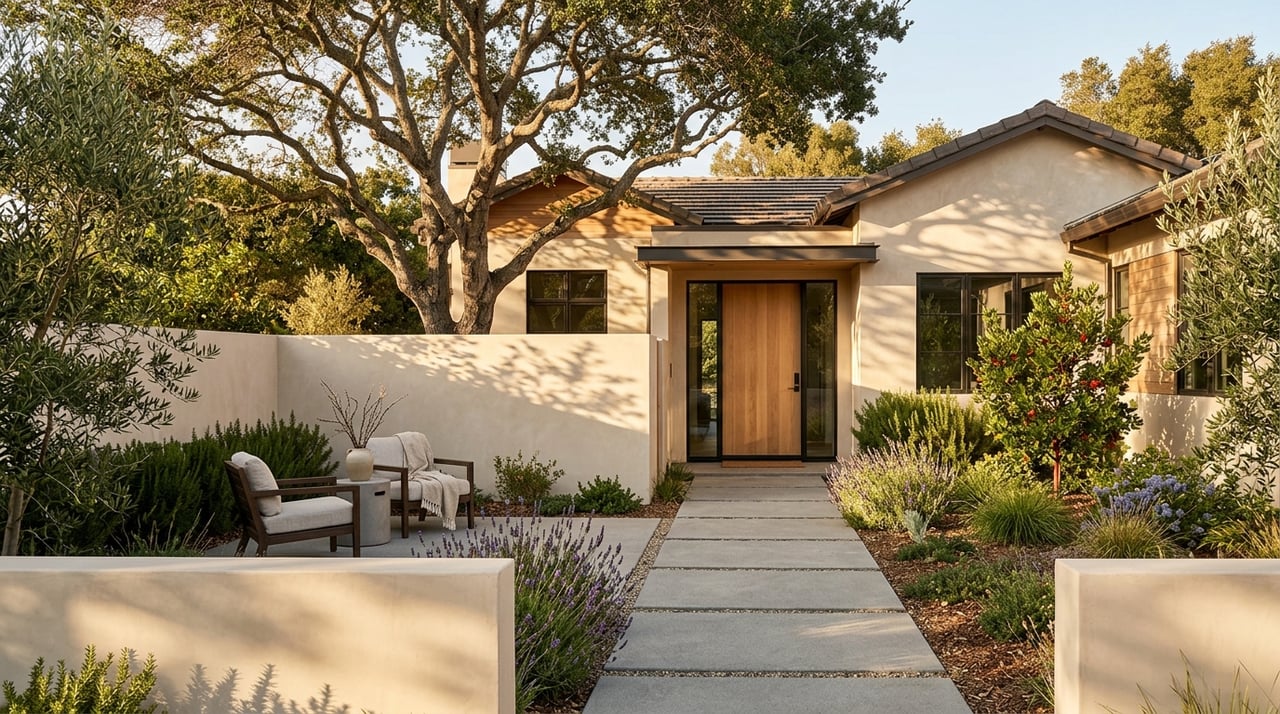
Wondering whether Sonoma living feels better in the heart of town or out on a country parcel? It is a common question, especially if you are trying to balance walkability, privacy, maintenance, and long-term resale. The good news is that both options can be a great fit, but they offer very different daily experiences. Here is how to think through the key differences in Sonoma so you can choose with more clarity.
In Sonoma, “in-town” usually refers to the area around Sonoma Plaza and nearby city streets inside the city’s urban growth boundary. The Plaza is an 8.5-acre historic park at the center of downtown, and the city’s urban growth boundary was adopted to limit urban development beyond the city edge. That helps explain why in-town Sonoma has a more compact, established feel.
“Country” homes are usually located on unincorporated Sonoma County land rather than within the city. These properties often fall in rural residential, agriculture and residential, or very low-density residential zoning districts. County zoning is designed to preserve rural character and support low-density development, with some areas allowing crops, farm animals, and related rural uses.
One of the biggest differences is how much land typically comes with the home. In-town Sonoma follows a more compact pattern, especially near the historic core, where buildings may sit closer to the front lot line and parking is often placed to the side or rear. The city’s own infill examples show how much can fit on a relatively small site.
Country properties usually work on a very different scale. In Sonoma County’s rural residential and agriculture and residential zones, minimum lot sizes are often 1 acre with public water or 1.5 acres without it. Very low-density residential zoning is intended for even more spread-out development.
That creates a practical lifestyle tradeoff. In town, you often give up yard size for convenience and proximity. In the country, you usually gain more separation from neighbors, larger setbacks, and more outdoor space to manage.
If you want to step outside and feel connected to Sonoma’s village atmosphere, in-town living has the edge. Downtown Sonoma is designed to be pedestrian-friendly, with wide streets that work for both people and cars. Public parking is available downtown, and street parking near the Plaza is free, though weekday time limits apply in the Plaza area.
The Plaza area also puts you closer to restaurants, tasting rooms, and the daily rhythm of downtown. That can be a major quality-of-life advantage if you value convenience and enjoy being near activity. For many buyers, that access is the main reason to focus on an in-town home.
Country living usually means a more drive-based routine. Because rural properties are farther from the compact downtown pattern and sit on larger parcels, day-to-day errands and outings tend to involve more time in the car. In return, you get more land-focused living and a setting that can feel quieter and more private.
Sonoma’s in-town homes often appeal to buyers who love historic and design-rich settings. The city’s design guidelines identify a wide range of architectural styles in the downtown area, including vernacular cottages, Queen Anne Victorians, Craftsman bungalows, Spanish Colonial and adobe forms, Mission Revival, Monterey Colonial, Ranch, and Mid-Century Modern. That variety gives in-town neighborhoods a layered, visually distinctive character.
Country homes are shaped less by a historic street pattern and more by the landscape around them. Sonoma County’s rural development guidelines encourage structures that respect rural character, use appropriate form and massing, and rely on earth-tone, low-reflectivity materials. Exterior lighting is also expected to be shielded to better fit the rural setting.
If you are drawn to charm, architectural history, and streetscapes with a defined rhythm, in-town Sonoma may feel more compelling. If you want a home that blends into open land and emphasizes the setting itself, country property may be the better match.
Buyers sometimes assume all remodel decisions come down to budget and taste, but location matters too. In downtown Sonoma, design guidelines place a strong emphasis on preserving architectural heritage and maintaining compatibility with the surrounding block pattern and pedestrian streetscape. Additions, parking placement, setbacks, and exterior changes may need to align with that broader context.
That does not mean improving an in-town property is impossible. It means the process can require more attention to design review and to how the home fits the neighborhood pattern. If you are buying an older home with plans to update it, that is an important part of your due diligence.
Country homes are often less tied to historic street-facing design standards, but that does not automatically make projects simple. Rural guidelines still shape how structures should look and sit on the land. The focus shifts from fitting a historic streetscape to respecting rural character and site conditions.
Maintenance is another major separator between in-town and country ownership. In town, upkeep often centers on the home itself, exterior condition, landscaping, and any applicable design-review expectations. The scale may be smaller, but details matter, especially in a character-rich setting.
In the country, maintenance can expand beyond the house and yard. Sonoma County identifies wildfire prevention and preparation as a primary goal, and county resilience work includes grazing, brush thinning, and road clearing to improve emergency access. For rural homeowners, vegetation management and property access may be a regular part of ownership.
That does not make country living less appealing. It simply means the property can ask more of you over time. Larger parcels often bring more freedom, but they also bring more responsibility.
Another important difference is what supports the property behind the scenes. In-town homes are more likely to connect to city-style infrastructure, which can make ownership feel more straightforward from a utility standpoint. That simplicity is part of the appeal for some buyers.
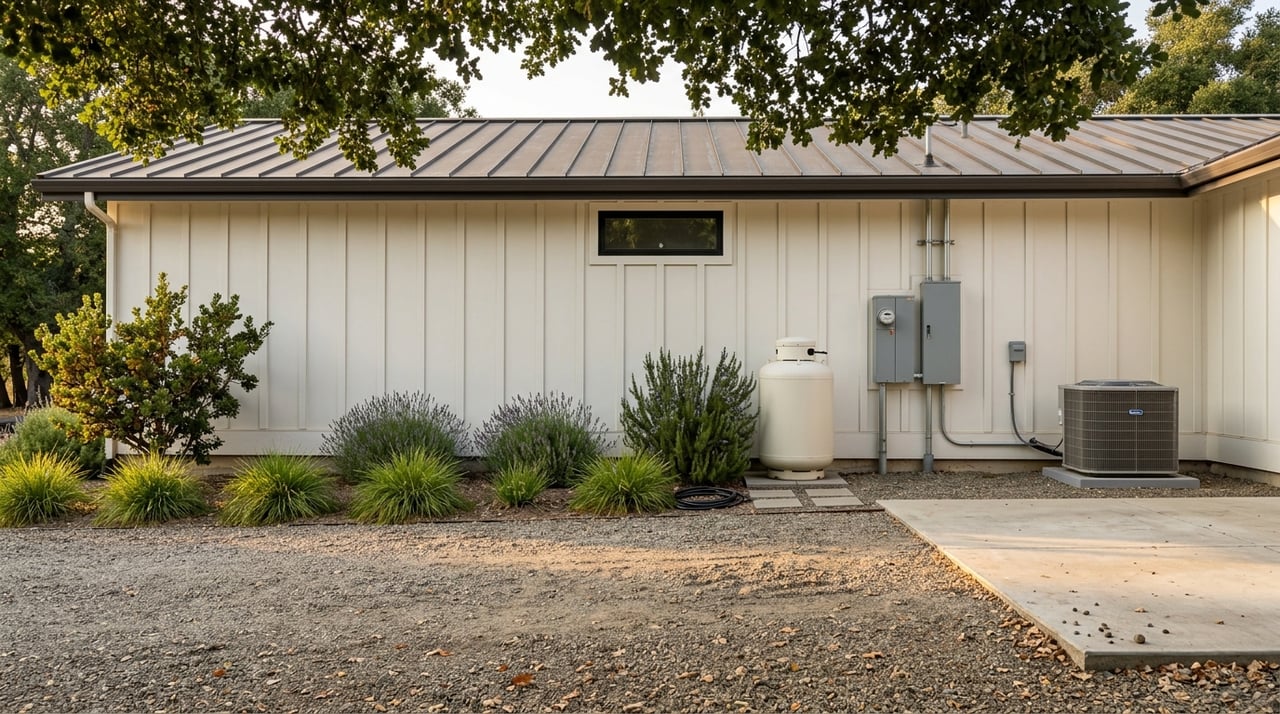
Rural properties may rely on private systems. Sonoma County requires a well construction permit for a new or replacement water-supply well, and where public sewer is not available, homeowners need septic systems installed. The county also requires permits for non-standard onsite wastewater treatment systems.
If you are comparing homes, this is one of the most important practical areas to examine. A beautiful country property may come with added due diligence around water, wastewater, access, and ongoing system maintenance. Those are manageable issues, but they should be understood early.
From a resale perspective, neither option is automatically better. In-town homes often attract buyers who want historic character, a walkable setting, and less land to maintain. Country homes tend to appeal to buyers who want acreage, privacy, room for animals or gardens, rural views, or a retreat-like atmosphere.
Land-use rules help preserve the appeal of both. Sonoma’s urban growth boundary and design oversight support the in-town setting, while county rural zoning helps maintain the country feel many buyers are looking for. At the same time, those same qualities can narrow the buyer pool to people who specifically want that lifestyle.
That is why the right choice usually comes down to fit. The strongest long-term decision is often the one that matches how you actually want to live, maintain, and use the property.
If you picture morning walks near the Plaza, easier access to downtown businesses, and a home with historic or classic neighborhood character, in-town Sonoma may feel like home. You may be trading lot size for convenience, but for many buyers that is a very worthwhile exchange.
If you picture more breathing room, broader views, room for outdoor uses, and greater separation from neighbors, a country property may be the better fit. You may trade convenience for privacy and land, along with more maintenance and infrastructure considerations.
In Sonoma, the choice is not just about square footage or price. It is about how you want your home to function day to day, how much work you want the property to require, and what kind of setting feels most natural to you.
Whether you are comparing downtown charm to rural space, or preparing a home for sale in either setting, SOCO PROPERTY brings local guidance, design insight, and hands-on strategy to help you make the right move.
Stay up to date on the latest real estate trends.
You’ve got questions and we can’t wait to answer them.